In perimenopause, it isn't just estrogen that’s the problem—it’s Cortisol. As your body navigates hormonal shifts, your "stress hormone" levels often spike. This leads to what the internet has dubbed "Cortisol Face": a combination of puffiness, a weakened barrier, and "angry" adult acne.
The Science: The Cortisol-Collagen Connection
Cortisol is a "catabolic" hormone, meaning it breaks things down. Specifically, it eats through collagen and elastin.
-
The Barrier Breakdown: High cortisol inhibits the production of ceramides, making your skin "leaky" and sensitive.
-
The Sugar Spike: Cortisol raises blood sugar, which triggers Glycation (the hardening of skin fibers).
-
The "Puffy" Effect: It causes the body to retain salt and water, specifically around the jawline and eyes.
The Dr. Liia "Anti-Stress" Protocol
To feel amazing, we must lower the "stress load" on your skin cells.
1. Adaptogenic Skincare
We use Ashwagandha and Rhodiola in our formulations. These "adaptogens" help the skin cells maintain balance even when your internal cortisol is high.
2. Neuro-Cosmetics
The skin and the brain are made from the same embryonic tissue. Ingredients like Tephrosia Purpurea (Wild Indigo) have been shown to inhibit cortisol production in the skin and stimulate the release of "feel-good" endorphins topically.
3. The 5-Minute "Vagus Nerve" Ritual
Stimulating the Vagus nerve lowers systemic cortisol.
-
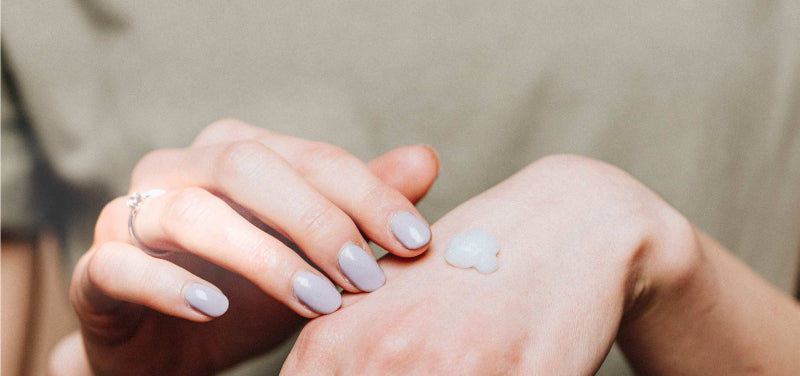
The Habit: While applying your Dr. Liia moisturizer, gently massage the area behind your earlobes and down the sides of your neck. This signals the body to move from "Fight or Flight" to "Rest and Repair."
FAQ: Managing Cortisol Face
Q: Can stress cause wrinkles? A: Yes. "Stress lines" are real. Chronic high cortisol keeps your facial muscles tense and breaks down the elastin that allows your skin to bounce back from expressions.
Q: Why is my face so puffy in the morning? A: Cortisol levels are naturally highest in the morning. In perimenopause, this peak is often exaggerated. Dr. Liia’s "Cold-Therapy" tools (like chilled rollers) are essential for flushing this cortisol-induced puffiness.
Q: Does meditation actually help my skin? A: Absolutely. Clinical studies show that regular meditation increases "telomere length" (a marker of biological age) and reduces the inflammatory markers that cause perimenopause redness.